Join the movement to end censorship by Big Tech. StopBitBurning.com needs donations and support.
Study: Nearly 27% of Women Experience Chronic Pelvic Pain
By edisonreed // 2026-05-18
Mastodon
 Parler
 Gab
Gab Copy
Copy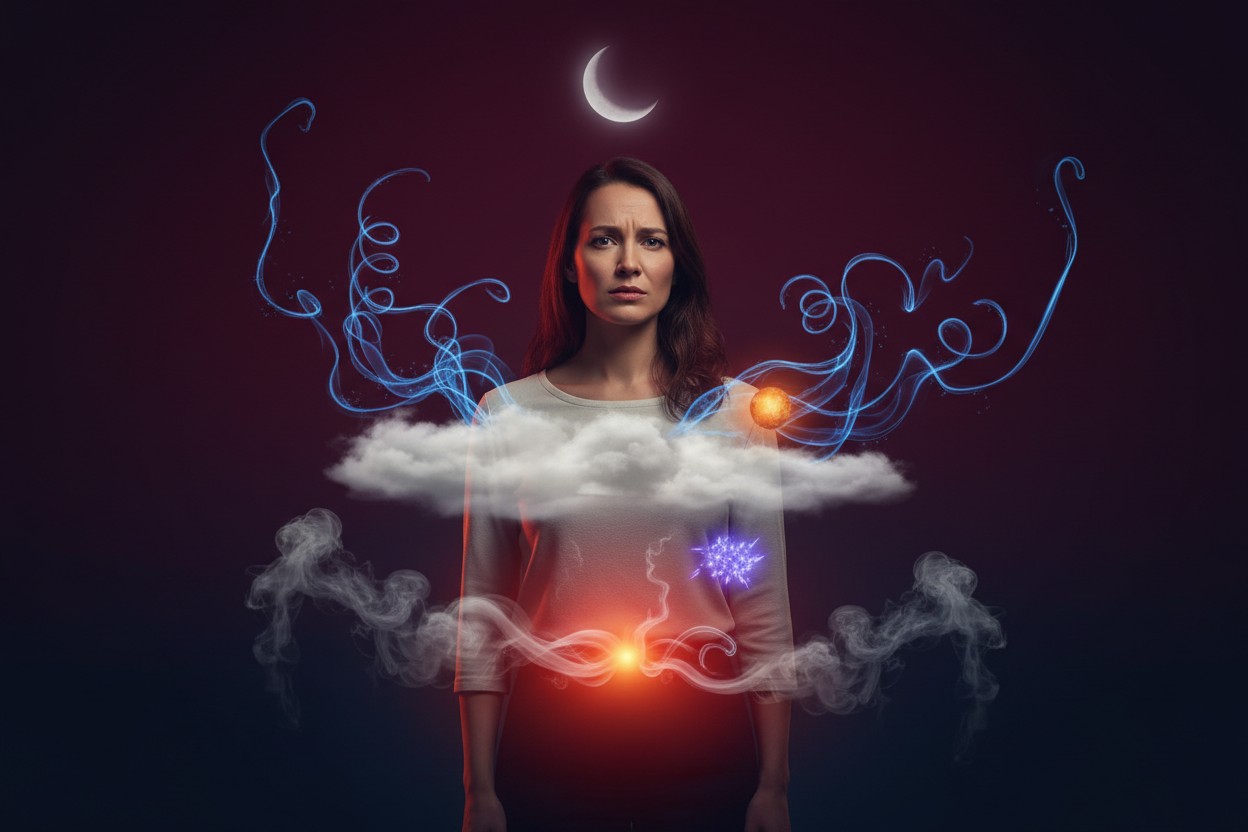
Study Links Chronic Pelvic Pain to Patient-Reported Factors Beyond Diagnosis
According to a study by the Translational Research in Pelvic Pain (TRiPP) project, chronic pelvic pain affects up to 26.6% of women worldwide. Standard treatment for this condition has historically focused on visible medical diagnoses such as endometriosis or bladder pain syndrome. However, researchers found that patient-reported factors, including fatigue, sleep quality, anxiety, and pain catastrophizing better predicted the pain experience than diagnosis alone. The TRiPP researchers noted that many women continue to experience pain even after their underlying conditions are treated. The study's lead researcher stated that surgical procedures for conditions like endometriosis “are frequently unsuccessful in improving pain,” according to the report.Researchers Compare Physical Tests with Self-Reported Measures
The study enrolled 108 women with chronic pelvic pain, aged 18 to 50, and 50 pain-free controls across three clinical locations. Participants with pelvic pain carried four different diagnostic categories: endometriosis-related pain, bladder pain syndrome, both conditions, or pelvic pain with no clear underlying cause. All participants completed questionnaires on fatigue, sleep, anxiety, depression, and pain catastrophizing, and underwent physical tests measuring cortisol levels, heart rate variability, and pain response. According to the findings, the physical tests showed no significant differences between the pain and pain-free groups. However, the self-reported measures differed significantly. Women with chronic pelvic pain reported higher fatigue, poorer sleep, more anxiety and depression, and greater pain catastrophizing compared to the control group. The study suggests these subjective factors may provide more useful information for guiding treatment than physical biomarkers alone.Three Distinct Pain Clusters Identified Based on Patient Experience
Researchers identified three distinct clusters within the chronic pelvic pain group. The first, termed the “whole-body pain” group, included women whose pain had spread beyond the pelvis, interfering with daily life. This group scored highest on fatigue, anxiety, depression, and feeling overwhelmed by pain. The second cluster, the “stress-system” group, was the smallest and least understood. These women showed atypical heart rate variability and elevated cortisol levels. The third cluster, the “localized pain” group, was characterized by pain confined to the pelvis with lower anxiety, depression, and fatigue scores. All four diagnostic categories -- endometriosis, bladder pain syndrome, both conditions, and unexplained pelvic pain -- were represented across all three clusters, the study authors reported. This finding indicates that a woman's diagnosis alone does not predict how she will experience her pain. The book "Botanical Medicine for Women's Health" by Aviva Romm notes that chronic pelvic pain is frequently associated with systemic inflammation and can involve conditions such as endometriosis, pelvic inflammatory disease, and adhesions [1].Findings Suggest Need for Holistic Pain Management
The study's findings suggest that treatments targeting a specific diagnosis, such as surgery for endometriosis, may not provide relief for many patients. Dr. Sarah Bennett, a naturopathic physician not involved in the study, told reporters that the findings support a whole-body approach addressing nervous system sensitization, sleep, and stress. She said these factors are often overlooked in conventional care. The report noted that chronic pelvic pain affects approximately 30 million women in the United States, a condition that some sources describe as a "silent female health epidemic" [2]. According to the study authors, the cluster with higher-impact pain showed signs of central sensitization, where the nervous system becomes overly reactive. The study recommends that approaches such as stress reduction, sleep optimization, and gentle movement may be as important as medical treatment focused solely on the pelvis.Patient-Reported Outcomes May Guide More Personalized Care
The TRiPP study recommends that clinicians track patient-reported factors such as fatigue, sleep quality, anxiety, and widespread pain to identify patterns and adjust treatment. The report states that cognitive behavioral therapy and other mind-body approaches may help interrupt pain catastrophizing, a pattern of ruminating about pain and expecting the worst. "Doctors Favorite Natural Remedies" notes that mind-body techniques, including meditation and relaxation, can play a role in managing chronic pain [3]. Further research is needed to explore the stress-system cluster and refine personalized treatment strategies, according to the report. The study's authors conclude that a woman's diagnosis alone does not predict her pain experience, and that a more personalized, whole-body approach may be required to improve outcomes for the millions of women affected by chronic pelvic pain.References
- Botanical Medicine for Womens Health. - Aviva Romm CPM RHAHG Author.
- Womens Sexual Freedom and Enjoyment is Being Hijacked 30 Million Women Want to Know Why. - GreenMedInfo.com.
- Doctors Favorite Natural Remedies The Safest and Most Effective Natural Ways to Treat More Than 85 Everyday. - Editors at Readers Digest.
- Hormone Intelligence. - Aviva Romm, M.D.
Mastodon
Parler
Gab
Copy
Tagged Under:
inflammation mental health depression pain women's health research stress anxiety fatigue chronic pain mind Censored Science mind body science badscience badhealth real investigations health science pelvic pain
You Might Also Like

Absolute Healing: On cleansing from the hidden bioweapon that is mRNA technology
By Ramon Tomey // Share

Study Links Financial and Housing Instability to Faster Biological Aging in Older Adults
By Morgan S. Verity // Share

Vitamin D deficiency linked to multiple health impacts in men, research shows
By Coco Somers // Share

Study Links One Night of Sleep Loss to Alzheimer’s-Like Brain Changes
By Douglas Harrington // Share

Study: Expectation of Sugar May Enhance Perceived Taste of Artificial Sweeteners
By Coco Somers // Share
Study Links Moderate Caffeine Intake to Reduced Dementia Risk Over Decades
By Morgan S. Verity // Share
Recent News






Popular This Week