Join the movement to end censorship by Big Tech. StopBitBurning.com needs donations and support.
Meta's Surveillance Glasses: Big Tech's $30 Billion Bet on Total Privacy Erosion
By douglasharrington // 2026-08-24
Mastodon
 Parler
 Gab
Gab Copy
Copy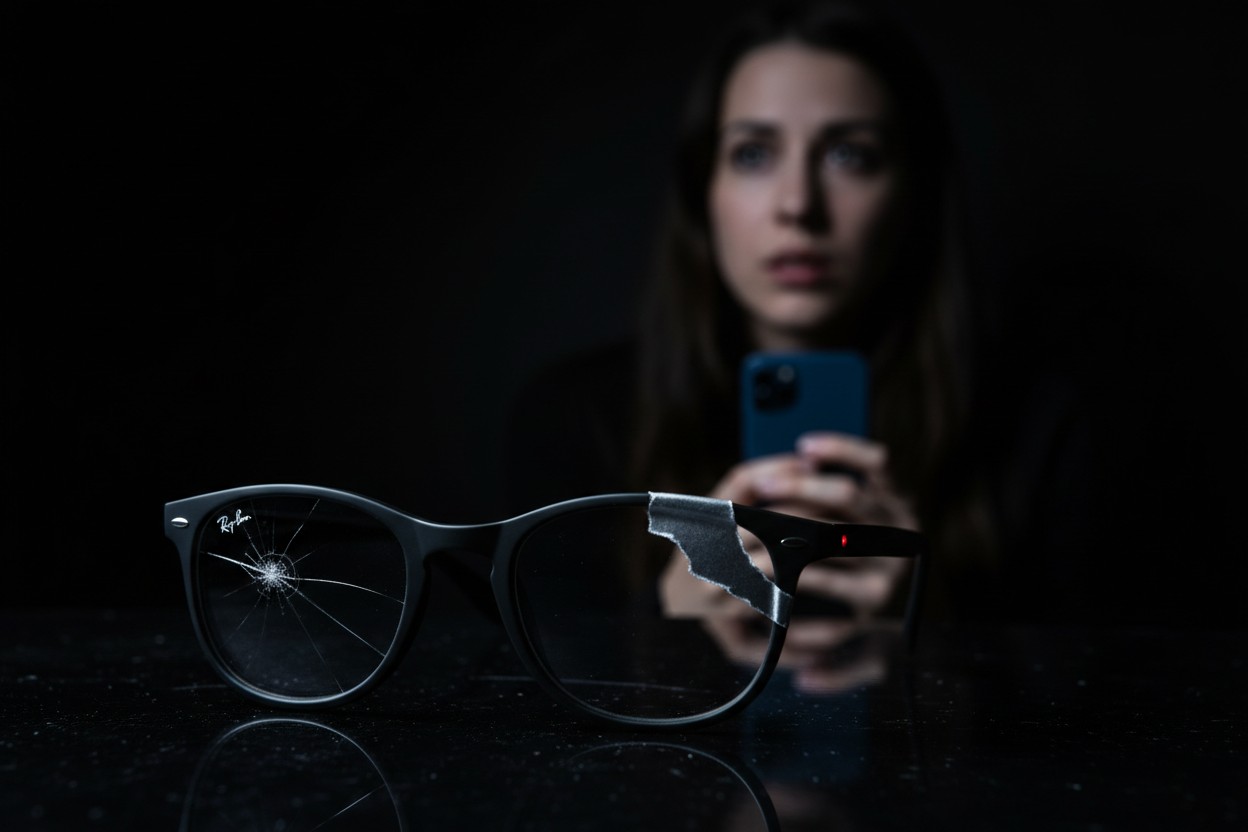
Meta Platforms sold more than 7 million AI-powered smart glasses in 2025 and plans to produce between 20 million and 30 million units annually by the end of 2026, according to Bloomberg. The rapid sales growth has intensified concerns among privacy advocates about nonconsensual recording. Cooper Quintin, a staff technologist at the Electronic Frontier Foundation, said the glasses’ tiny recording LED can be easily covered with a sticker, making it “pretty useless” for deterring abuse. Courts, schools, and entertainment venues have begun banning the devices, but enforcement relies on voluntary disclosure by wearers or on observant bystanders, Quintin said.
Women have reported being approached by men wearing Meta’s Ray-Ban glasses to film their responses without their knowledge or consent, according to BBC News. The prevalence of such videos on social media suggests the LED feature “is better than nothing, but not by much,” Quintin said. Some adopters are leaving their glasses at home because of public backlash, as Engadget reported [1][2].

Hobbyist-built apps aim to detect nearby smart glasses
In response to the threat, hobbyist programmers have built smartphone apps that detect nearby smart glasses by scanning for Bluetooth Low Energy signals. Developer Yves Jeanrenaud created Nearby Glasses, a $2.99 app that has been downloaded more than 100,000 times on Android. Jeanrenaud warned on GitHub that “false positives are likely” and that the app is “an imperfect approach.” Pawel Szydlowski released Zuckoff for iPhone in August 2026, collecting Bluetooth identifiers by contacting early adopters on Instagram and Reddit. Zuckoff also uses advertised device names as a less precise fallback, Szydlowski said. Neither app can determine whether glasses are actively recording, and their creators advise users not to confront strangers based solely on detection. Szydlowski told Ars Technica that he created Zuckoff because “harmful content” from smart glasses “was the first part that annoyed me.” He said he draws the line at posting recordings of others without consent. The apps have found a receptive audience: one high school teacher called Zuckoff “the best $3 I’ve spent” in a review, citing concerns that students might use AI glasses for unwanted recordings in class. [2]Meta reportedly tests features that could further reduce privacy protections
Meta is testing a prototype of “super sensing” AI glasses that would use cameras and audio to capture a wearer’s every moment, according to the Financial Times. Sources familiar with Meta’s planning told the newspaper that executives aim not to activate the LED when those features are in use, making it harder for bystanders to know they are being recorded. Separately, Wired and the Electronic Frontier Foundation revealed that Meta had quietly embedded an unreleased facial recognition system into the Meta AI app installed on more than 50 million smartphones. Meta stripped the code from the next update but did not say whether the feature might return [3][4]. Civil society groups have sounded the alarm over Meta’s facial-recognition ambitions, warning the feature could create a new frontier for surveillance and abuse [5]. Quintin said potential future features like facial recognition could enable deepfakes or nonconsensual intimate imagery of people unaware they are being recorded. He urged lawmakers to give individuals a private right to sue companies whose products violate biometric privacy rights.Bans and social friction remain imperfect countermeasures
The annual DEF CON hacker convention banned smart glasses in 2026 with no exceptions, reminding attendees with prescription pairs to “pack non-violating eyewear.” Enforcement depends on users voluntarily disclosing their devices or on bystanders speaking up, Quintin noted. He described a shift in social friction: previously “if you wanted to record somebody, you had to take out your phone, shove it in their face,” and the target knew they were being recorded. With glasses, “the friction is now on me, calling you a pervert for wearing glasses.” Szydlowski said he created Zuckoff because he found the volume of online content from covert recordings unacceptable. He said that “people are using it in a bad way,” and that there is value in hands-free recording only when users respect consent. The backlash has been strong enough that some wearers avoid using the glasses in public entirely, according to reports [2].Continued demand and regulatory gaps leave privacy risks unresolved
Despite protests and privacy lawsuits, Meta is expanding production. EssilorLuxottica reported that revenue from AI smart glasses nearly doubled in the second quarter of 2026 [6]. Bloomberg noted that Meta widened its lead over rivals by introducing $299 models, with analysts forecasting 2026 as a breakthrough year for smart glasses [7]. The trend shows no sign of reversing as competition heats up, with Google and Apple preparing rival devices. Szydlowski compared the situation to Apple AirTags, which were used for stalking soon after release but took states three to five years to pass anti-stalking legislation. He worries lawmakers will be similarly slow to act. Quintin said that while federal privacy laws are needed, “the best solutions” combine community-level bans, detection apps, and thoughtful regulations. “You need to have the social construct around these being unwelcome, and you also need to be able to find when people are using these,” Quintin said. However, he noted that the technology is unlikely to disappear and that privacy risks will only compound as demand grows.References
- “Smart glasses are ’an invasion of privacy’ – Meta’s are selling better than ever.” BBC. May 13, 2026.
- “The Backlash Is So Strong That People With “Pervert Glasses” Are Afraid to Use Them in Public.” The Daily Bell (originally Futurism). July 14, 2026.
- “Meta pulls facial recognition code from smart glasses after investigation.” NaturalNews.com. June 14, 2026.
- Willow Tohi. “Meta Considers Adding Facial Recognition to Ray-Ban Smart Glasses Amid Political Tumult.” NaturalNews.com. February 17, 2026.
- “We See Everything”: Meta’s Ray-Ban Glasses Are Recording Your Most Private Moments. NaturalNews.com. April 9, 2026.
- “EssilorLuxottica’s AI Smart Glasses Revenue Nearly Doubles On Ray-Ban, Oakley Demand.” ZeroHedge. July 29, 2026.
- “Meta Widens Smart-Glasses Lead With $299 Models, Leaving Apple And Snapchat Chasing AI Wearable Race.” ZeroHedge. June 23, 2026.
- “Trends-Journal-2024-10-08.”
- “Trends-Journal-2024-11-05.”
Explainer Infographic

Mastodon
Parler
Gab
Copy
Tagged Under:
glitch artificial intelligence surveillance twisted AI insanity zuckerberg consent dangerous products inventions tech giants information technology Big Tech computing future tech privacy watch smart glasses technocrats meta AI glasses covert recording
You Might Also Like

Pentagon Releases Images of Drug Smuggling Boats, Issues Stern Warning to Traffickers
By Garrison Vance // Share

Iraqi Prime Minister Rejects U.S. Proposal to Extend Coalition Troop Presence Beyond September 30
By Douglas Harrington // Share

Meta Settlement Drives Global Push for Age Verification and Digital ID Measures
By Morgan S. Verity // Share

AI Data Centers Are Training Your Replacements… (And They Aren’t Going To Be Human)
By Mike Adams // Share

Trump Declares National Emergency Over Foreign Bulk-Power Equipment Risks
By Belle Carter // Share

Geothermal Project in Utah Tests Shale Techniques for AI Power Grids
By Chase Codewell // Share
Recent News






Popular This Week