Join the movement to end censorship by Big Tech. StopBitBurning.com needs donations and support.
Study: Higher-Protein Meals Lower Blood Sugar Regardless of Source
By cocosomers // 2026-08-24
Mastodon
 Parler
 Gab
Gab Copy
Copy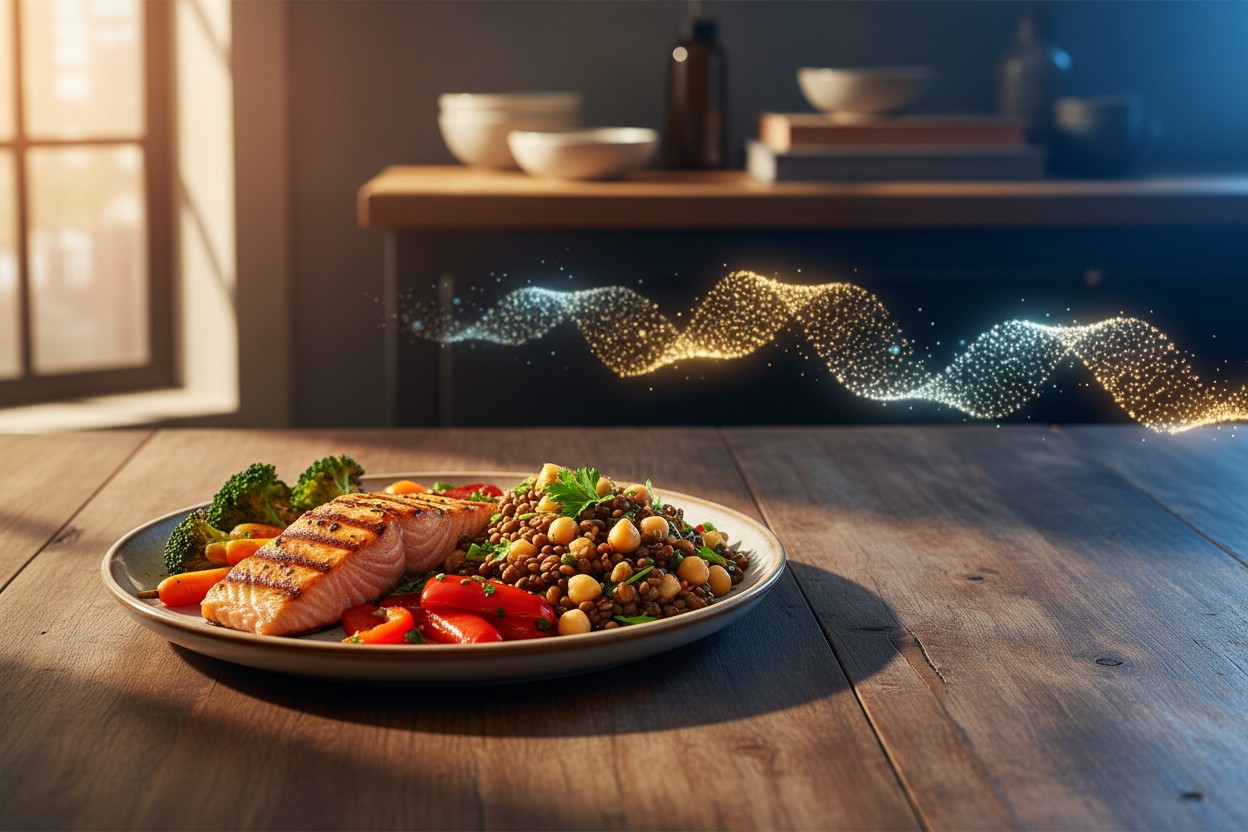
A new study found that meals containing higher amounts of protein lowered blood sugar levels compared with standard-protein meals, with no meaningful difference between animal and plant protein sources. The findings, reported by multiple sources, add to evidence that protein quantity matters more than source for immediate metabolic responses. According to a report on higher-protein breakfasts, such meals have been linked to steadier blood sugar levels [1]. Another review found that daily legume intake was associated with lower fasting blood sugar [2].
The research involved adults who consumed test meals on separate occasions, serving as their own controls. The design captured postprandial responses, according to the report. Both higher-protein meals -- whether from animal or plant sources -- led to lower blood sugar compared to a standard-protein meal. This aligns with the understanding that protein has important metabolic effects, as noted in dietary guides [3].

Study Design and Methods
Researchers tested three meal types: standard protein, higher animal protein, and higher plant protein. Each participant ate each meal on different days, with blood markers tracked after eating. The study was designed to measure the immediate effects of a single meal, not long-term patterns. The importance of protein quantity in meals is emphasized in nutrition literature [3]. Additionally, combining protein with fiber-rich foods can help stabilize blood sugar, according to experts [4]. The higher-protein meals contained about 50% more protein than the standard meal. This increment was sufficient to produce measurable differences in blood glucose and hormone responses. Similar studies have shown that higher-protein breakfasts result in improved glycemic control [1]. Legumes, a common plant protein source, have also been shown to lower cholesterol and fasting blood sugar in a meta-analysis [2].Key Findings on Blood Sugar and Amino Acids
Both higher-protein meals prompted greater increases in hormones that help regulate blood sugar, including glucagon and GLP-1, along with appropriate insulin secretion. Blood sugar was lower after both higher-protein meals compared to the standard meal. The animal-protein meal raised certain amino acids more than the plant-protein meal, but this did not worsen blood sugar response. This contradicts hypotheses that branched-chain amino acids drive diabetes risk, according to researchers. The findings suggest that essential amino acids and BCAAs are unlikely to be major drivers of blood sugar regulation after a meal. Instead, other factors such as fiber content in plant proteins or saturated fat in animal proteins may play larger roles in long-term health outcomes. The study's authors point to the overall dietary pattern rather than protein source as key, a view supported by dietary guides that emphasize whole foods [5].Interpretation and Context
Researchers concluded that essential amino acids and BCAAs are unlikely to be major drivers of blood sugar regulation after a meal. The study's authors pointed to other factors accompanying protein in whole foods -- such as fiber in plant sources or saturated fat in animal sources -- as more likely influences on long-term diabetes risk. This interpretation aligns with recommendations to favor minimally processed foods [4]. The findings support that protein quantity in a meal matters more than source for immediate blood sugar response. Incorporating a variety of protein sources, both animal and plant, can help individuals meet their protein needs while obtaining different nutrients. Seeds, nuts, and legumes are excellent plant-based options that also provide fiber and healthy fats [6] [7].Conclusion and Implications
For blood sugar management, the strongest evidence continues to emphasize physical activity, healthy body composition, and consistent sleep. The study reinforces that dietary protein is a key ingredient for metabolic health, but not the only one. Building meals around protein plus fiber-rich carbohydrates, vegetables, and healthy fats supports stable glucose levels. Ultimately, dietary patterns that include adequate protein from whole foods support metabolic health. The findings suggest that individuals need not focus on avoiding animal protein for immediate blood sugar control; rather, the quality of the overall meal matters most.References
- Higher-Protein Breakfast Linked to Steadier Blood Sugar in Carriers of Common Diabetes Risk Gene. NaturalNews.com. August 5, 2026.
- Daily Legume Intake Linked to Lower Cholesterol, Blood Sugar in 24-Trial Review. NaturalNews.com. August 15, 2026.
- McGraw, Phillip C. "The ultimate weight solution food guide."
- Cassie B. "Diabetes-friendly pantry: How shelf-stable foods can stabilize blood sugar." NaturalNews.com. March 9, 2026.
- Hyman, Mark. "The Blood Sugar Solution: The UltraHealthy Program for Losing Weight, Preventing Disease, and Feeling Great Now."
- Belle Carter. "The power of seeds: Six nutrient-dense options to boost your health." NaturalNews.com. March 31, 2026.
- Lance D Johnson. "18 high-protein foods to incorporate for sustainable weight loss." NaturalNews.com. February 20, 2026.
Explainer Infographic

Mastodon
Parler
Gab
Copy
Tagged Under:
blood sugar natural medicine diabetes nutrients longevity alternative medicine research natural health breakfast prevention diet carbohydrates protein natural cures food science cures heart remedies High-Protein prevent diabetes goodhealth goodmedicine goodfood timing grocery cures health science meal
You Might Also Like

The science-backed health benefits of drinking TEA
By Kevin Hughes // Share

Study Links Higher Intake of Ultra-Processed Foods to Greater Stress Among Urban Teachers
By Coco Somers // Share

Common plant antioxidant shows promise in halting gray hair
By Ava Grace // Share

Accelerated Biological Aging Linked to Higher Dementia Risk in Women, Study Finds
By Douglas Harrington // Share

Review Links Blueberries and Goji Berries to Lower Macular Degeneration Risk
By Coco Somers // Share
Daily Walnut Intake Linked to Heart, Brain, and Sleep Benefits, Studies Show
By Chase Codewell // Share
Recent News






Popular This Week