Join the movement to end censorship by Big Tech. StopBitBurning.com needs donations and support.
Spice up your life: Herbs like rosemary, ginger, turmeric show promise in reducing DNA damage
By willowt // 2026-08-24
Mastodon
 Parler
 Gab
Gab Copy
Copy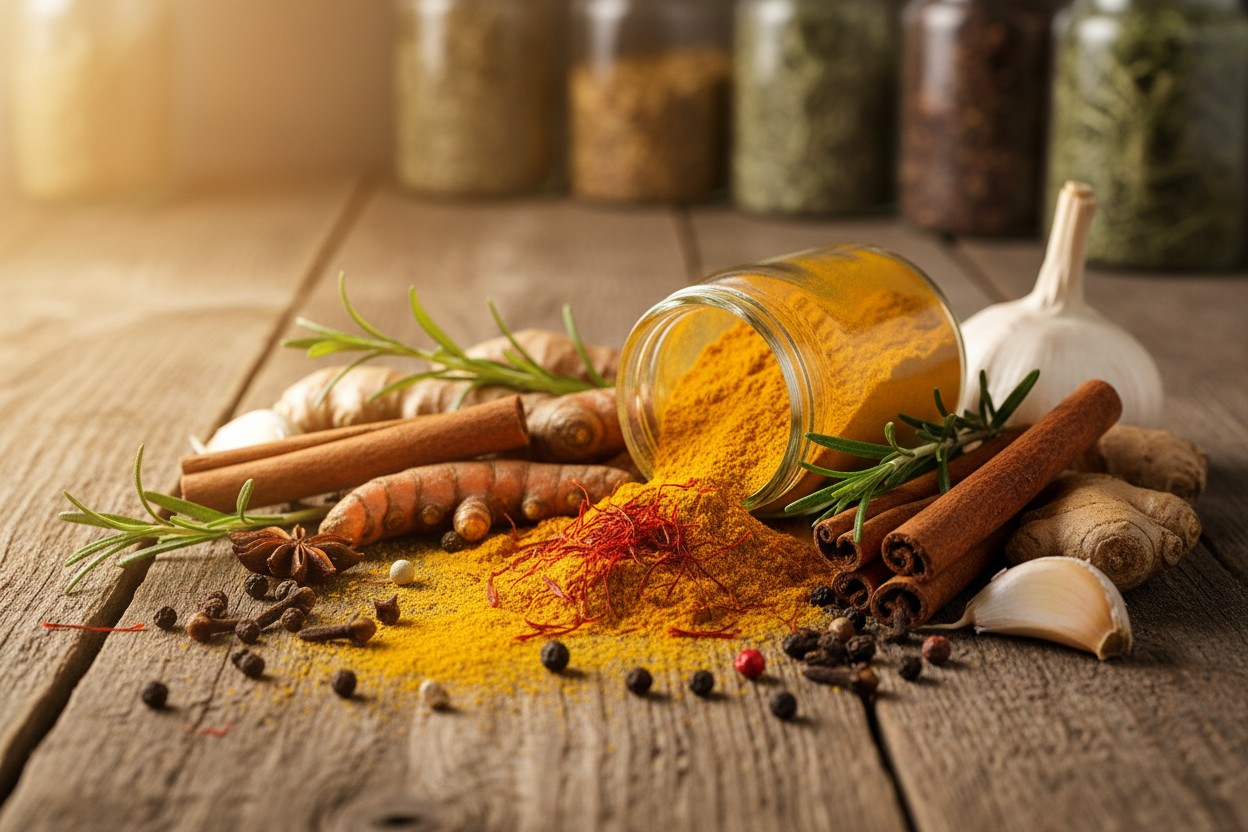
- A 2026 pilot trial from Seoul National University of Science and Technology found that combined rosemary and ginger extract significantly reduced oxidative DNA damage in high-risk adults over four weeks.
- The study involved 72 healthy adults divided into Healthy and Risk groups, with the Risk group defined by overweight and smoking status.
- Participants in the Risk group showed significant decreases in DNA damage at both low and high doses of the extract, while healthy participants showed less pronounced effects.
- High-dose supplementation also increased a marker tied to healthy blood vessel signaling, suggesting cardiovascular benefits.
- Historical and prior research confirms that turmeric, ginger and rosemary offer DNA-protective and anti-inflammatory benefits, with turmeric showing the most potent effect at the smallest dose.
A four-week trial offers cellular hope
In a groundbreaking pilot study published in February 2026, researchers at Seoul National University of Science and Technology have provided new evidence that everyday kitchen spices may protect human DNA from oxidative damage. The randomized, double-blind, placebo-controlled trial, which involved 72 healthy adults over a four-week period, found that combined rosemary and ginger extract significantly reduced DNA damage in participants classified as high-risk due to overweight and smoking status. This research, announced in the journal’s 2026 edition, arrives at a time when chronic oxidative stress from environmental pollutants, processed foods and lifestyle factors is increasingly understood as a precursor to cancer and other degenerative diseases. The findings suggest that simple dietary additions may offer measurable cellular protection for those most vulnerable to cumulative DNA damage.The trial: Targeting the most vulnerable
The Seoul-based research team divided participants into two distinct cohorts: a Healthy group and a Risk group, the latter defined by excess weight and smoking. Each participant received either a placebo, a low dose, or a high dose of combined rosemary and ginger extract daily. While circulating oxidative stress and inflammatory markers remained largely unchanged across the full group, the Risk group experienced a significant decline in oxidative DNA damage at both dosage levels. According to the study’s abstract, high-dose supplementation also led to a measurable increase in erythrocyte phosphorylated endothelial nitric oxide synthase expression, a marker associated with healthy blood vessel signaling. This distinction is critical, as unresolved oxidative damage is a well-documented pathway that can lead to cancer cell growth.Why high-risk participants saw the greatest benefit
The pattern of results aligns with a common observation in antioxidant research: individuals with a heavier baseline burden of oxidative stress have more room for improvement. Participants carrying extra weight or dealing with the effects of smoking started with higher levels of cellular damage, allowing the spice extracts to demonstrate a more pronounced protective effect. In contrast, healthy participants with lower initial damage had less damage to reduce, making their improvements less statistically significant. This does not diminish the potential of rosemary and ginger; rather, it underscores the importance of dietary interventions for those facing elevated lifestyle-related risks.The historical power of culinary spices
The new trial builds on decades of research confirming the health benefits of herbs and spices. Prior studies have demonstrated that ginger and rosemary can reduce DNA damage by up to 25% in regular consumers. However, the most potent evidence comes from turmeric, the golden spice of life. A landmark study profiled by Dr. Michael Greger, a physician and author, showed that just one-eighth of a teaspoon of turmeric daily could cut DNA damage by half. Turmeric’s active compound, curcumin, has been shown in studies from the University of Chicago, Harvard Medical School and M.D. Anderson Cancer Center to suppress tumor initiation, inhibit angiogenesis and protect cells against xenoestrogens. Interestingly, the new 2026 trial did not test turmeric, but its inclusion in prior comparative research highlights the exceptional power of spice-based interventions.Practical applications and cautions
For those seeking to incorporate these findings into daily life, the researchers suggest simple culinary methods rather than supplements. Brewing ginger tea from fresh, sliced organic root can provide concentrations far higher than bagged versions. Fresh rosemary sprigs tossed with roasted vegetables or chicken release more of the active compounds studied. Combining both spices in a marinade with olive oil and garlic offers a practical way to replicate the trial’s conditions. However, experts advise caution regarding high-dose supplementation. While turmeric doses up to 10 grams per day have been deemed safe in short-term trials, long-term effects at high doses remain unknown, and culinary doses with a long-standing record of safety are recommended.A spice rack’s untapped potential
The 2026 pilot trial offers a compelling reminder that the line between food and medicine is often blurred. While rosemary and ginger will not single-handedly prevent cancer or reverse chronic disease, their ability to reach into cellular DNA repair mechanisms—particularly for those with elevated risk—deserves serious attention. As the scientific community continues to explore the therapeutic potential of natural compounds, this study raises a fundamental question: what other kitchen staples might hold similar protective power? For now, incorporating generous amounts of rosemary, ginger and turmeric into a balanced diet appears to be a safe, accessible and flavorful strategy for supporting cellular health from within. Sources for this article include: NaturalHealth365.com Springer.com NutritionFacts.orgMastodon
Parler
Gab
Copy
Tagged Under:
natural medicine herbal medicine antioxidants turmeric longevity alternative medicine research natural health herbs prevent cancer ginger natural cures food science phytonutrients naturopathy spices DNA remedies rosemary oxidative stress food cures food is medicine goodscience goodhealth goodmedicine goodfood grocery cures health science aging secrets
You Might Also Like

“UNBREAKABLE” on BrightU: How DNA’s repair system could be overwhelmed
By Belle Carter // Share
Study Links Gut Microbiome Composition to Biological Aging Pace
By Coco Somers // Share
Pink Himalayan salt: The quiet upgrade your pantry has been missing
By HRS Editors // Share
New Review Questions 40 Years of Cholesterol Guidelines
By Coco Somers // Share
Radishes May Offer Antioxidants, Low Calories, and Other Health Benefits, Research Shows
By Petra Stone // Share
The science-backed health benefits of drinking TEA
By Kevin Hughes // Share
Recent News






Popular This Week