Join the movement to end censorship by Big Tech. StopBitBurning.com needs donations and support.
Study Finds Low Muscle Strength Associated with Greater Infection Risk
By petrastone // 2026-09-04
Mastodon
 Parler
 Gab
Gab Copy
Copy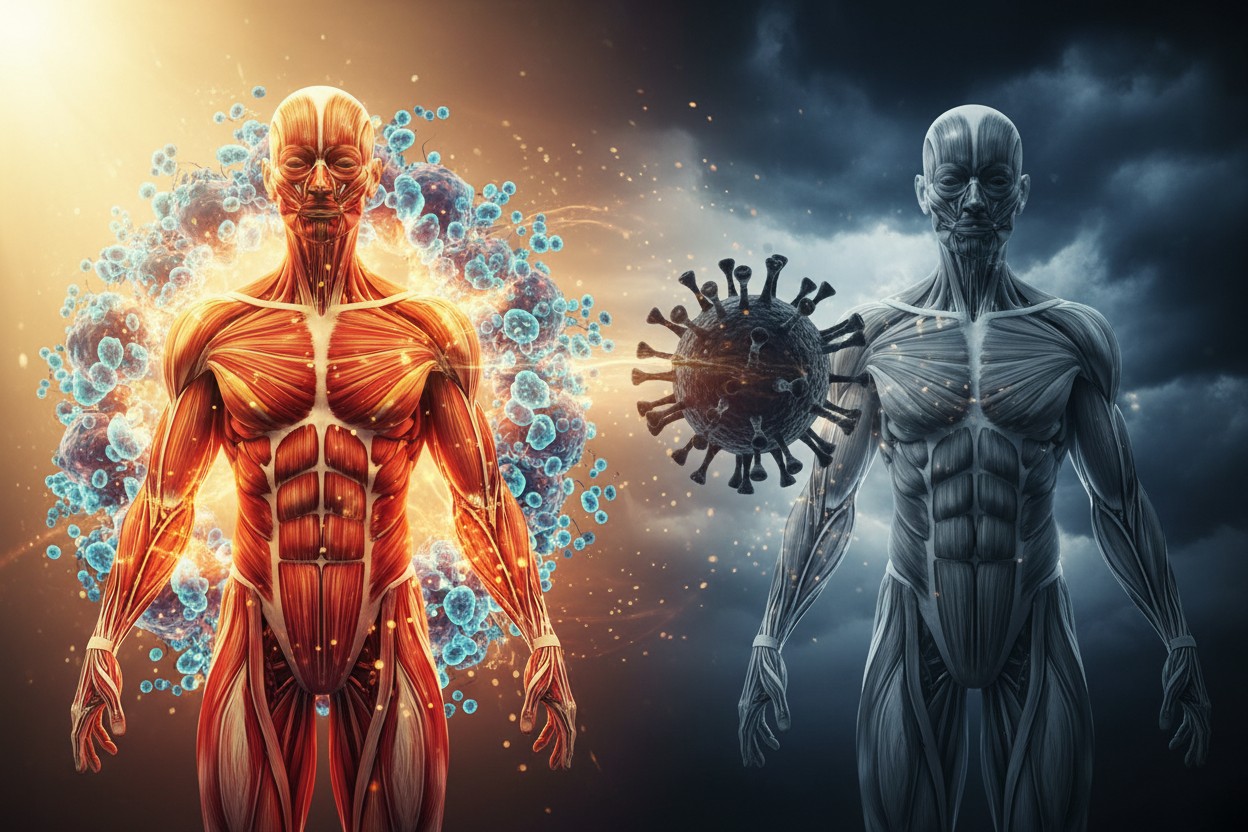
A large prospective study tracking more than 458,000 adults for over a decade has found that individuals with low muscle strength and mass face a significantly higher risk of developing serious infections. Researchers from the UK Biobank study followed participants for a median of 12.5 years, according to the report. The findings indicate that those with probable sarcopenia had an 18% higher risk of infection, while those with confirmed sarcopenia had a 34% higher risk compared to those without the condition.
The study, which assessed participants at baseline for muscle mass, handgrip strength, and physical performance, grouped individuals into categories of no sarcopenia, probable sarcopenia, or confirmed sarcopenia. Sarcopenia, the progressive loss of muscle mass and strength that becomes more common with age, was tracked against hospital records and death registries for serious infections including respiratory infections, urinary tract infections, skin and soft tissue infections, and sepsis. The association between low muscle health and infection risk remained consistent even after researchers adjusted for age, sex, socioeconomic status, lifestyle factors, and existing health conditions, according to the study data.

Methodology of the Study
The prospective study included 458,332 adults from the UK Biobank, a large-scale biomedical database containing genetic and health information from participants across the United Kingdom. At the beginning of the study, researchers measured participants' muscle mass, strength, and physical performance to establish a baseline for sarcopenia status. Sarcopenia, a term derived from the Greek words sarx (flesh) and penia (loss), refers to the age-related loss of skeletal muscle mass and size, according to nutrition literature [1]. Over the follow-up period, which spanned a median of 12.5 years, the research team tracked serious infections using hospital records and death registries. The infections tracked included respiratory infections, urinary tract infections, skin and soft tissue infections, and sepsis. Participants were grouped into three categories: no sarcopenia, probable sarcopenia, or confirmed sarcopenia, based on their baseline measurements of muscle mass, handgrip strength, and physical performance, according to the study design.Key Findings
The study revealed a clear pattern: the less muscle participants had, the greater their long-term risk of infection. Compared with people without sarcopenia, those with probable sarcopenia had an 18% higher risk of developing infections or infectious diseases, according to the study. For people with confirmed sarcopenia, that risk increased to 34% higher compared to those without the condition. Both handgrip strength and muscle mass were independently associated with infection risk according to the research. The relationship remained consistent after researchers accounted for potential confounding factors such as age, sex, socioeconomic status, lifestyle, and existing health conditions. The study's observational nature does not prove that losing muscle directly causes infections, as muscle health may reflect other aspects of an individual's overall health, according to the report. However, the large sample size and long follow-up period strengthen the observed association.Possible Biological Mechanisms
Skeletal muscle functions as more than a simple movement organ; it operates almost like an endocrine organ, releasing signaling molecules called myokines that communicate with tissues throughout the body. Some of these myokines help regulate inflammation and influence how immune cells function, according to the study's background research. Muscle also serves as a reserve of amino acids that the body can draw on during periods of physical stress or illness, which matters when the immune system suddenly needs additional resources while fighting an infection. The connection between muscle maintenance and immune function has been noted in other health literature, with some sources indicating that exercise and muscle mass can slow down immunosenescence, the gradual deterioration of the immune system associated with aging [2]. Physical activity and muscle preservation have been linked to better immune cell function, including higher levels of natural killer cells and T lymphocytes in physically fit older adults, according to immunology research [2]. The study's authors noted that the observational nature of the research precludes establishing causation, and muscle health may proxy for overall wellbeing.Practical Implications
The research suggests that maintaining muscle mass and strength could play a role in long-term health outcomes, though the study does not demonstrate that interventions to build muscle will definitively reduce infection risk. Strength training exercises performed several times per week can help maintain muscle mass, whether through lifting weights, using resistance bands, or performing bodyweight exercises, according to fitness guidance [3]. The key is that muscles are regularly challenged through resistance, as sarcopenia and decreased fitness are primarily attributed to a sedentary lifestyle rather than aging itself [4]. Adequate protein consumption across meals supports muscle repair and growth by providing the amino acids needed for protein synthesis [3]. Sources note that adults lose approximately 3% to 8% of muscle mass per decade after age thirty, with muscle loss accelerating in later years, making proactive strength maintenance increasingly important with age [5]. Further research is needed to determine whether muscle-building interventions can directly reduce infection risk, but maintaining muscle may contribute to overall health resilience.Conclusion
The study adds to a growing body of evidence suggesting that skeletal muscle plays a broader role in health than simply enabling movement. With over 458,000 participants followed for more than a decade, the research provides substantial observational data linking low muscle strength and mass to increased infection risk. While the study design cannot establish a causal relationship, the biological plausibility of the connection is supported by research on muscle-derived signaling molecules and amino acid reserves. The findings reinforce broader recommendations about the importance of strength training and adequate protein intake for long-term health. Maintaining muscle through regular resistance exercise and proper nutrition represents a practical approach that individuals can take to support their overall wellbeing. As the global population ages and the prevalence of sarcopenia increases, understanding the systemic effects of muscle health becomes increasingly relevant for public health [6].References
- Unknown. "Nutrition and Diet in Menopause".
- James DiNicolantonio, Siim Land. "The Immunity Fix-Strengthen Your Immune System".
- Mercola.com. "Why Resistance Training Preserves Your Cardio". August 05, 2022.
- Zamzar. "The Immunity Fix Strengthen Your Immune System Fight Off Infections Reverse Chronic Disease and Live a".
- Duyff Roberta Larson. "Academy of Nutrition and Dietetics complete food and nutrition guide".
- Mercola.com. "Declining Muscle Strength Is a Serious Health Red Flag". October 29, 2021.
Explainer Infographic

Mastodon
Parler
Gab
Copy
Tagged Under:
fitness nutrients longevity alternative medicine research natural health prevention strength immune function sedentary lifestyle. goodscience badhealth goodmedicine goodfood building muscle maintaining muscle mass health science skeletal muscle
You Might Also Like

The morning calorie advantage: How your body’s internal clock dictates weight gain
By Ava Grace // Share

Prolonged Sitting Linked to Higher Cancer Death Risk, Study Finds
By Morgan S. Verity // Share

Cedarwood: The timeless essential oil for holistic health
By Laura Harris // Share

Study: Lycopene Supplement Users Show 91% Lower Odds of Diabetes in Observational Analysis
By Chase Codewell // Share

Microplastics found in lungs linked to lung cancer, new research shows
By Willow Tohi // Share

Antioxidant Foods: Reported Benefits and Scientific Evidence
By Coco Somers // Share
Recent News






Popular This Week