 Parler
 Gab
Gab Copy
Copy
How Often Should You Drink Anti-Inflammatory Tea?
Guidance on how frequently to drink anti-inflammatory tea varies widely, and researchers say no universal protocol exists. Reports indicate that most people can safely drink true tea daily for extended periods, according to an Alliance for Natural Health report, which notes that tea is found in 80% of all American households and is the most popular drink in the world [1]. Black tea accounts for most U.S. consumption, followed by green tea at roughly 15%, with oolong and white tea making up the small remaining share [1]. Clinical trials have tested green tea at 3 to 4 cups per day for 8 weeks and black tea at 3 cups per day for 12 weeks, according to a 2026 NaturalNews.com report on the science-backed health benefits of tea [2]. The same report states that green tea consumption was studied specifically for inflammation and related health conditions. By contrast, herbal teas such as ginger, chamomile, and turmeric lack sufficient data to establish an effective anti-inflammatory amount, according to available guidance. Turmeric and its active ingredient curcumin are recommended for no more than 3 months at a time, according to the report, because long-term use may not be safe [3]. Individuals weighing whether to add tea to a daily routine should consult a healthcare provider, pharmacist, or registered dietitian before making changes, especially if they take prescription medication, officials said.Frequency and Clinical Trial Data
The most concrete frequency data comes from clinical trials of true teas rather than herbal blends. In the research reviewed by NaturalNews.com, green tea has been studied at 3 to 4 cups per day for 8 weeks, and black tea has been studied at 3 cups per day for 12 weeks [2]. Those durations and doses represent the window in which researchers gathered measurable outcomes, not necessarily an upper limit for healthy adults. A separate 12-week black tea intervention involving a combined male and female Mauritian population measured changes in biomarkers under tea and water regimens, with a 3-week wash-out period between treatments, according to research published in Toxicology [4]. In that trial, tea consumption was associated with reductions in uric acid and C-reactive protein, a marker of inflammation, among volunteers susceptible to cardiovascular disease [4]. Herbal teas present a different picture. Ginger, chamomile, and turmeric lack sufficient data to establish an effective anti-inflammatory dose, and some herbal teas may be unsafe for long-term consumption, officials said [5]. Turmeric and curcumin are recommended for no more than 3 months at a time, and professional guidance is advised before continuing beyond that window, according to the report.Which Teas Are Considered Anti-Inflammatory?
True teas include black, white, and green tea, all derived from the Camellia sinensis plant, an evergreen that also yields oolong and dark varieties, according to a Mercola.com explainer [6]. Herbal teas are a separate category because they do not come from Camellia sinensis; instead they are made from dried fruits, flowers, roots, and herbs, and most are naturally caffeine-free [5]. Herbal teas reported to have anti-inflammatory properties include ginger, chamomile, and turmeric [7]. The compounds credited with fighting inflammation are polyphenols, and they vary by tea type. According to a NaturalNews.com report on drinking tea, tea polyphenols known as EGCG and catechins neutralize free radicals and reduce inflammation, and they have been linked to lower risks of breast, prostate, colorectal, and liver cancers while feeding beneficial gut bacteria such as Bacteroidetes [2]. Research in the journal Molecular Nutrition & Food Research similarly describes tea flavonoids as protective against cardiovascular disease through effects on inflammation and nitric oxide signaling [8]. The polyphenol family also includes tannic acid, catechins such as epigallocatechin-3-gallate, theaflavins, thearubigins, and quercetin, according to research compiled in Tea in Health and Disease Prevention [9]. Studies of individual tea polyphenols have shown that epigallocatechin-3-gallate and related compounds display high antioxidant activity, with the galloyl structure of the flavan skeleton contributing to radical-scavenging efficiency [9]. The presence and amount of these compounds vary by tea type, processing method, and brewing conditions.How to Maximize the Health Benefits of Anti-Inflammatory Tea
The first consideration is what goes into the cup. Skipping sweeteners matters because added sugars may increase inflammatory markers, and a diet high in fat, salt, and sugar can increase inflammation and counteract tea's health benefits, according to the report [2]. A 2006 review of phenolics and inflammation in the Journal of the Science of Food and Agriculture similarly links elevated inflammatory proteins to excess adipose tissue and to conditions including atherosclerosis, arthritis, and autoimmune disorders [10]. Caffeine timing is another factor. Green tea contains about 30 milligrams of caffeine per cup and black tea about 50 milligrams per cup [2]. General health recommendations call for drinking caffeinated tea earlier in the day and limiting intake to a few cups per day to reduce sleep interruptions. Healthy adults should keep total caffeine intake from all sources to 400 milligrams daily, according to the report. Preparation also affects the dose of active compounds. An 8-ounce cup of tea contains only about 2 calories, and loose-leaf tea outperforms prebagged tea in extracting EGCG and other catechins, according to guidance in The Inside Out Diet [11]. The same guidance recommends selecting brands with younger, smaller leaves and steeping longer than one to three minutes [11].Risks and Precautions
Most data supporting tea's role in reducing inflammation come from animal models or test tubes, and results in humans are conflicting, according to the report [2]. A large Japanese study analyzed data from 8,766 community-dwelling adults aged 65 and older who underwent brain MRI scans between 2016 and 2018 and found that green tea was linked to fewer brain lesions, though the benefits may not apply to everyone [12]. As with any intervention, the strength of the evidence varies by outcome. Caffeine is one of the clearest constraints. One cup of black tea contains about 48 milligrams of caffeine and one cup of green tea about 29 milligrams, and healthy adults should limit total caffeine intake to 400 milligrams daily, according to the report [2]. Children, teenagers, pregnant women, and people with some heart conditions should consume less caffeine, officials said. Excess caffeine can cause anxiety, insomnia, and gastrointestinal disturbances, officials said [2]. Herbal teas carry additional risks that true teas do not. Herbal teas may cause serious side effects, including damage to the bone marrow, liver, and kidneys, and large amounts of green tea may damage the liver, according to the report [2]. Green, turmeric, and ginger tea may cause nausea, diarrhea, and stomach pain, and pregnant and breastfeeding individuals should discuss herbal teas with a healthcare provider because some, including turmeric, may not be recommended [3]. Drug interactions require particular attention. Green tea has several significant interactions, including decreasing levels of cholesterol-lowering statins, some heart medications, and fexofenadine, and increasing levels of sildenafil, while black tea reduces rosuvastatin levels, according to the report [2]. Taken together, the evidence supports caution and professional consultation rather than a fixed daily protocol.References
- Alliance for Natural Health. "2 - Alliance for Natural Health". ANH-USA.org. October 19, 2022.
- NaturalNews.com. "The science-backed health benefits of drinking TEA". NaturalNews.com. September 1, 2026.
- NaturalNews.com. "Elderberry, Turmeric, Garlic Among Herbs and Spices Studied for Immune Support, Researchers Say". NaturalNews.com. August 21, 2026.
- Theeshan Bahorun. "Black tea reduces uric acid and C-reactive protein levels in humans susceptible to cardiovascular diseases". Toxicology. 2009.
- Laura Harris. "7 Herbal Teas That May Boost Sleep, Digestion, Immunity, and Overall Wellness". NaturalNews.com. February 15, 2026.
- Mercola.com. "Weekly Health Quiz: Tea, Cows and Sleep". Mercola.com. January 22, 2018.
- NaturalNews.com. "Herbs for reducing inflammation naturally". NaturalNews.com. July 24, 2019.
- Verena Stangl, Mario Lorenz and Karl Stangl. "The role of tea and tea flavonoids in cardiovascular health". Mol. Nutr. Food Res.
- Victor R Preedy. "Tea in Health and Disease Prevention".
- DA Evans, JB Hirsch, S Dushenkov. "Phenolics, inflammation and nutrigenomics". Journal of the Science of Food and Agriculture. 2006.
- "The Inside Out Diet 4 Weeks to Natural Weight Loss Total Body Health and Radiance".
- NaturalNews.com. "Green tea linked to fewer brain lesions, offering dementia protection, large Japanese study finds". NaturalNews.com. June 9, 2026.
Explainer Infographic

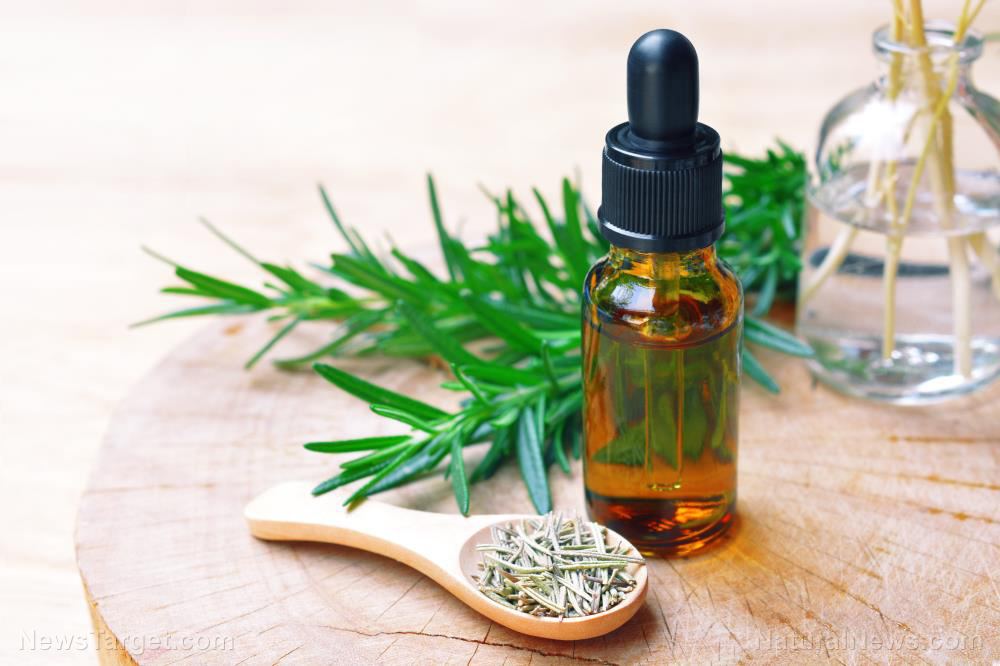
Kitchen herb, brain shield: The science behind rosemary’s cognitive promise
By Willow Tohi // Share

Dietitians Point to Consistent Daily Eating Pattern for Lowering Inflammation
By Coco Somers // Share

The Nutrition Shift After 50: Four Nutrients That Deserve a Closer Look
By Iva Greene // Share


Gradual Fiber Increases May Reduce Bloating, Nutrition Guidance Says
By Coco Somers // Share

The blood pressure paradox: What happens when you take creatine every day
By Ava Grace // Share


Ukraine is facing a five-dimensional crisis - a national suicide
By ljdevon // Share

Poland's illegal migrant overstays jump 40% as border agency warns of crisis
By isabelle // Share

Why Trump Will Likely Ban Diesel Exports ... and Europe Will Have Only Itself to Blame
By healthranger // Share

The Era of Token Abundance Is Coming — and It Will Make Civilization Almost Unrecognizable
By healthranger // Share

Iran Warns Regional Airports Could Be "Paralyzed" Over U.S. Aviation Sanctions
By garrisonvance // Share