 Parler
 Gab
Gab Copy
Copy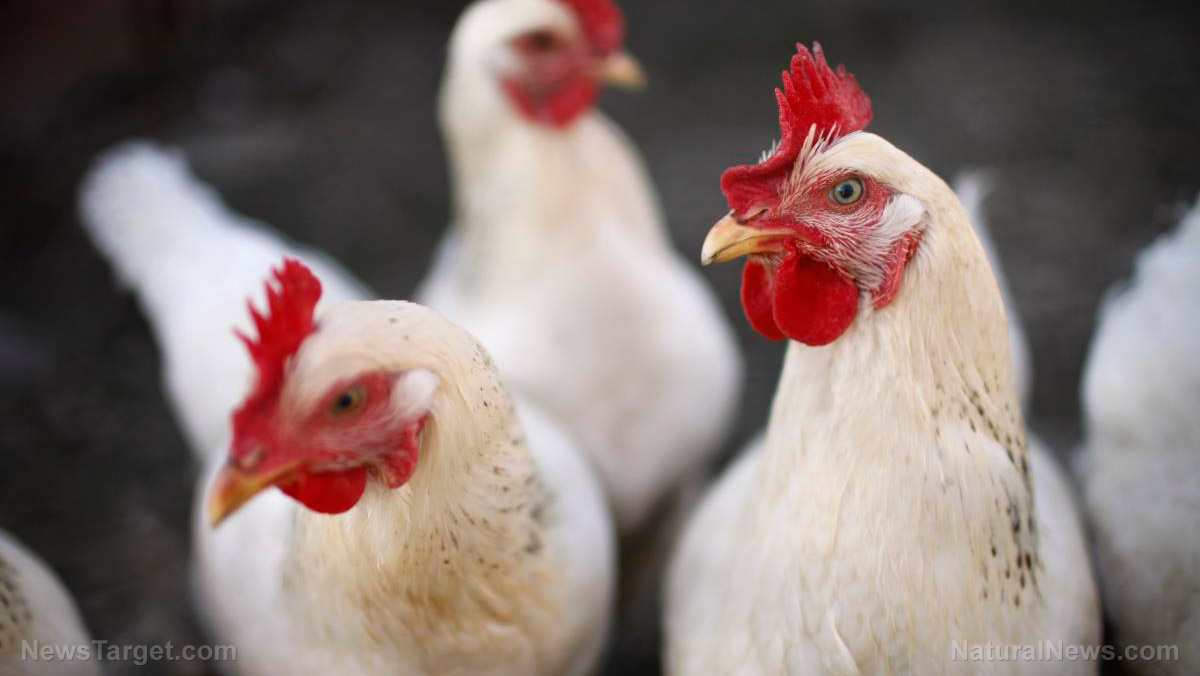
- Three factors can reduce egg production: declining daylight, the hen's age and molting cycle and physical stress from cold, wetness and drafts.
- Daylight plays a major role: strategically timing when pullets begin laying can help offset the seasonal decline in egg production without relying on artificial lighting.
- Maturity and molting matter: hens typically molt around 12 months and the timing of that molt can significantly affect production. Salatin favors keeping hens through multiple laying cycles and gradually culling older birds.
- Cold can consume the energy needed for eggs: during one winter experiment, Salatin's chickens produced "zero eggs" because so much of their feed energy was being used to maintain body temperature.
- Proper winter management can protect production: Strategic flock timing, seasonal culling and shelter that prevents cold, wetness and drafts can help hens continue laying by working with their natural cycles rather than forcing production.
The three strikes that make a hen stop laying
What makes a laying hen stop laying? Winter might seem like the obvious answer, but Joel Salatin's experience suggests the real explanation is a combination of three forces that can quietly undermine a flock: declining daylight, the bird's age and molting cycle and the physical stress of cold, wetness and drafts. In Episode 6, streaming on BrightU on Oct.1, Salatin breaks down what he calls the "three strikes" against egg production – and explains why understanding them can make the difference between a flock that simply survives winter and one that continues producing enough eggs to remain economically viable. The first strike is daylight. As autumn progresses and the days grow shorter, hens naturally reduce their production. But Salatin describes a strategy that works with that seasonal rhythm rather than trying to override it with artificial lighting. By timing when young pullets begin laying, farmers can have new birds entering production as daylight begins to decline, countering some of the seasonal drop. The second strike is maturity. Around 12 months, hens molt and production can fall sharply while they replace their feathers. Timing that molt becomes critical. A flock molting during increasing spring daylight can continue producing at a reduced rate, while a winter molt can bring production almost to a halt. Salatin's approach also differs from a system designed to maximize short-term output: Rather than quickly replacing hens, he describes keeping birds through multiple laying cycles and gradually culling older birds as the seasons change.When cold takes every calorie
The most dramatic lesson comes from Salatin's experience overwintering chickens in an Eggmobile. The structure was modified with a plywood floor, straw bedding and additional protection, but as winter deepened, production collapsed. "Come late November, December, January, I mean, we just got zero eggs." The birds weren't necessarily dying. They were facing a different problem: The cold was consuming their energy. Chickens have high metabolisms and must eat enough calories to maintain body temperature. When conditions become too cold, the energy that might otherwise support egg production is diverted toward simply staying warm. "It took all that they could eat just to maintain body temperature and there wasn't any left over for an egg." That experience highlights why winter shelter is about more than keeping rain and snow outside. Salatin identifies three critical comfort factors: cold, wetness and drafts. Chickens can tolerate cold, but wet feathers lose insulating capacity, while direct drafts can make already-cold conditions significantly harder on the birds. At the same time, ventilation remains important – creating the challenge of providing fresh air without exposing hens to a constant breeze. The episode explores how strategic flock timing, seasonal culling and carefully designed winter housing can address all three strikes. Rather than relying on artificial lights to force production, Salatin describes a system built around the bird's natural cycles. The result isn't maximum production every day of the year. It is a different philosophy: understand the hen, work with the seasons, protect her reserves and create conditions in which she has enough energy left to lay.Want to know more?
Discover practical strategies for building a productive, resilient homestead and raising pastured laying hens in "Foundations in Farming and Homesteading + Pastured Laying Hens," streaming on BrightU. Led by award-winning farmer Joel Salatin, this nine-episode series takes you step by step through the foundations of self-reliant homesteading, from designing your land and building efficient infrastructure to establishing a productive pastured egg operation. You'll explore practical approaches to housing, fencing, water systems, mobile infrastructure, flock health, pasture management, seasonal production and profitability. Whether you're new to farming and homesteading or looking to expand your skills, you can purchase the "Foundations in Farming and Homesteading + Pastured Laying Hens" combo package here to get lifetime access to Salatin's practical guidance. The package includes 32 video sessions, more than nine hours of instruction, homework PDFs and complete video transcripts to help you learn, review and apply the lessons anytime. Watch the trailer for "Foundations in Farming and Homesteading + Pastured Laying Hens" below. This video is from the BrightU channel on Brighteon.com. Sources include: BrighteonUniversity.com 1 BrightU.com Brighteon.com BrighteonUniversity.com 2
Being a Person of Principle Will Always Make You an Enemy of the State
By Mike Adams // Share
It’s Not Panic Buying—It’s Preparedness: Why Smart People Are Stocking Up Now
By Mike Adams // Share
Organic coconut milk powder: A prepper’s pantry essential that doesn’t need refrigeration
By HRS Editors // Share
The Cheapest Food You’ll Ever See: Why I Believe a Global Food Shock Is Coming by 2027
By Mike Adams // Share
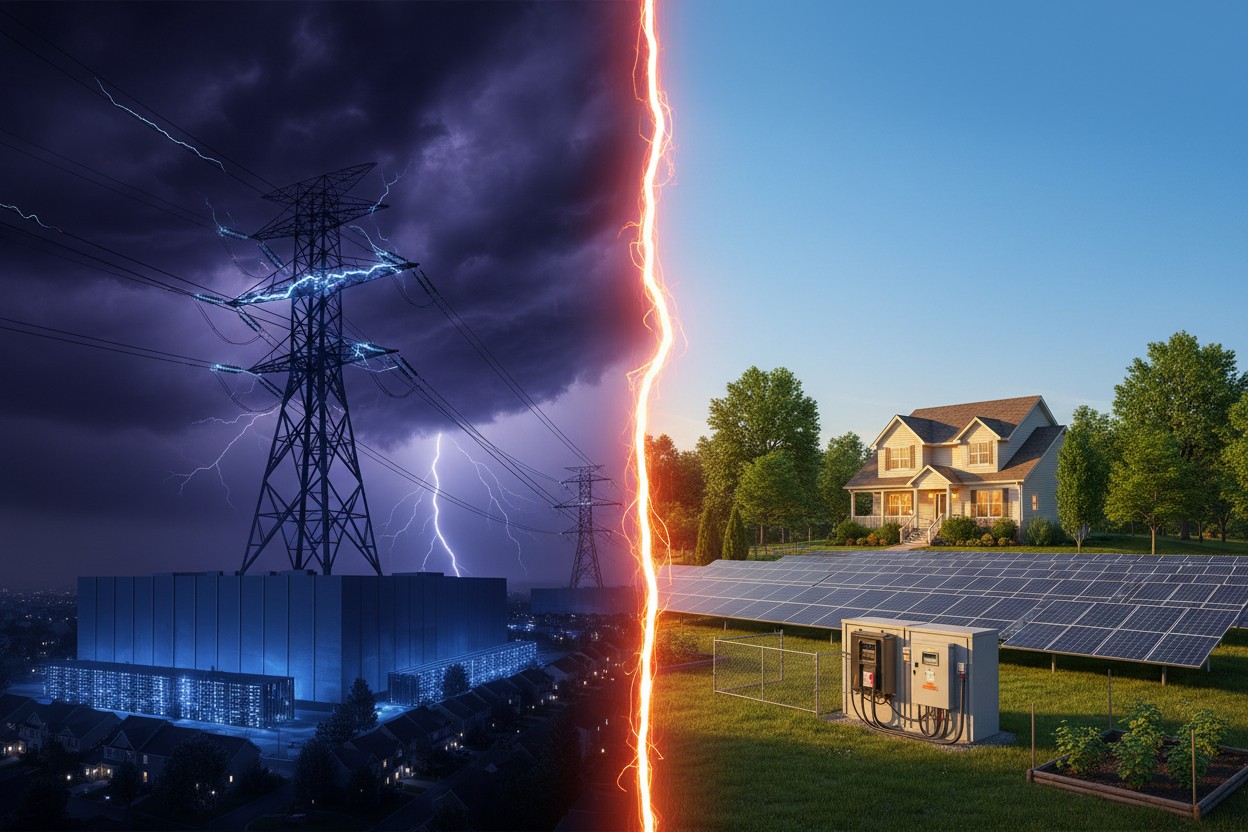
Rolling Blackouts Are Coming: Why I’m Going Off-Grid Before 2029
By Mike Adams // Share

U.S., Greenland, Denmark Announce Security Agreement; Trump Plans Large Military Presence
By Garrison Vance // Share
It’s Not Panic Buying—It’s Preparedness: Why Smart People Are Stocking Up Now
By healthranger // Share
Rolling Blackouts Are Coming: Why I'm Going Off-Grid Before 2029
By healthranger // Share
The Cheapest Food You'll Ever See: Why I Believe a Global Food Shock Is Coming by 2027
By healthranger // Share

Drone Warfare Is Coming to America ... And We're Dangerously Unprepared
By healthranger // Share
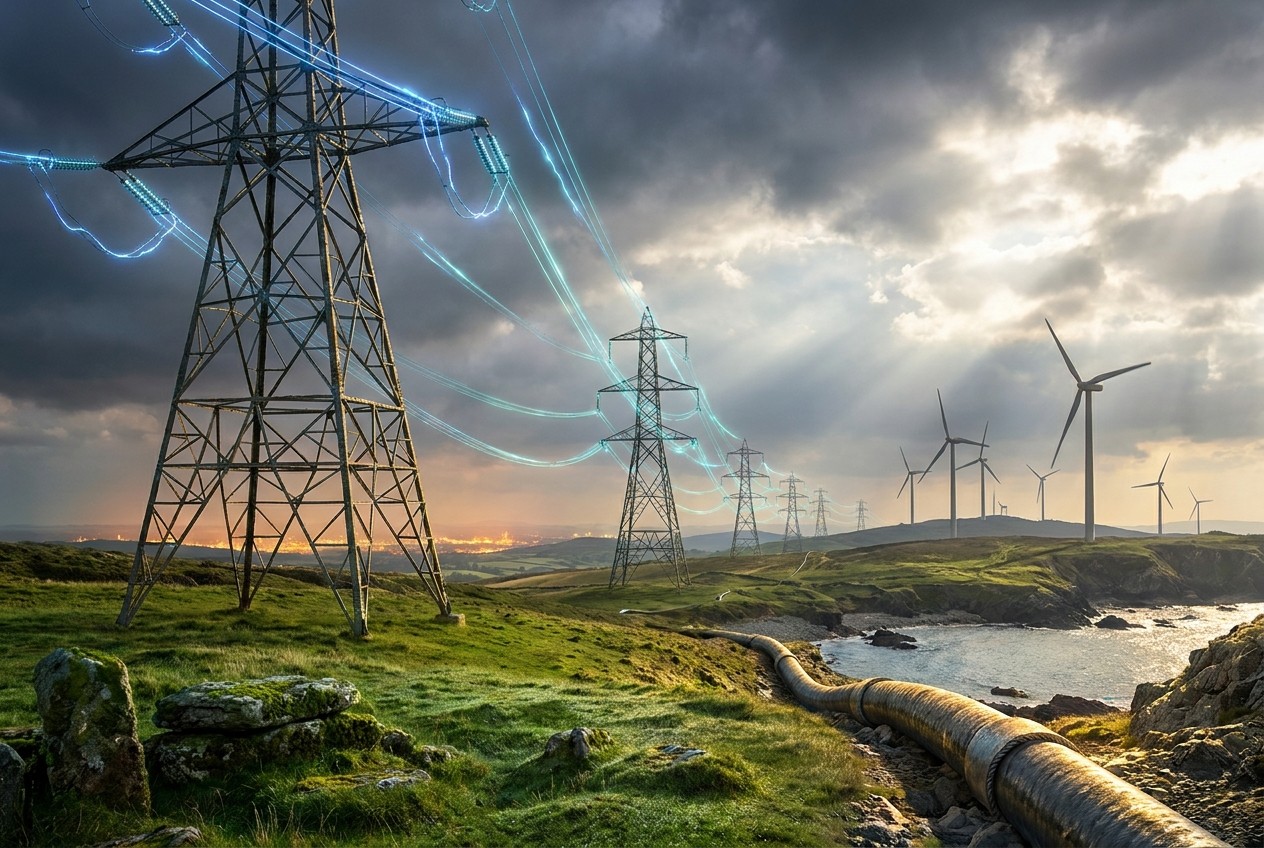
UK Electricity Grid Expansion Estimated to Cost More Than £150 Billion
By bellecarter // Share

Moscow Reports Largest Ukrainian Drone Attack; Two Dead During Russian Election
By bellecarter // Share