Parler
 Gab
Gab Copy
Copy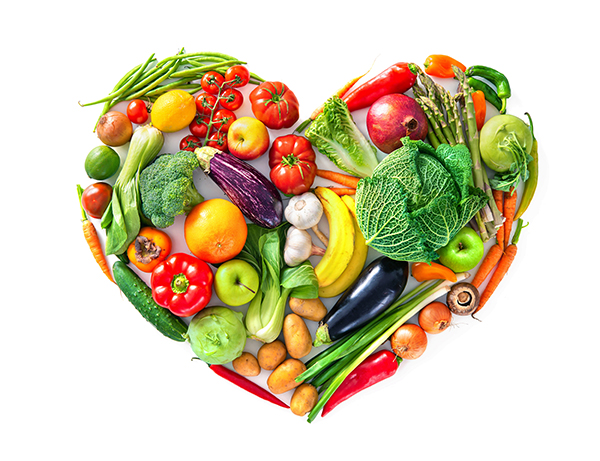
- A meta-analysis of 27 studies highlights five blood-based nutrients critical to cardiovascular health: vitamin D, carotenoids and linoleic acid (linked to lower heart disease risk), and palmitic acid and dihomo-γ-linolenic acid (associated with increased risk), emphasizing biochemical markers over broad dietary advice.
- The research uses objective blood tests (not food diaries) to measure nutrient levels, revealing that internal biochemistry—shaped by genetics, metabolism, and environment—matters more than dietary intake alone.
- Findings challenge the “all saturated fats are bad” narrative, showing palmitic acid (found in butter, palm oil) is particularly harmful, while unsaturated fats (e.g., olive oil, nuts) remain protective, underscoring the importance of fat type and source.
- The study advocates for nutrient-dense, whole foods—colorful produce (carotenoids), fatty fish (vitamin D) and unsaturated fats—while reducing saturated fats like palmitic acid, found in processed snacks and red meat.
- The research supports moving beyond simplistic food-group guidelines to a nuanced, nutrient-focused approach, aligning with emerging science that prioritizes internal nutrient absorption and interplay over isolated "good" or "bad" food labels.
The five nutrients
The study's focus on blood levels—measured through objective tests rather than memory-based food questionnaires—reveals a nuanced picture of heart health. Three nutrients were associated with lower coronary heart disease (CHD) risk: vitamin D, carotenoids and linoleic acid. Two others—palmitic acid and dihomo-γ-linolenic acid (DGLA)—were linked to higher risk. These results underscore the complexity of nutrition science, where the body's internal chemistry can diverge from dietary choices. For example, vitamin D, synthesized by the skin through sun exposure or obtained from fatty fish, shows a clear inverse relationship with CHD risk. Similarly, carotenoids—the pigments that give carrots and spinach their vibrant colors—appear to protect arterial health. Linoleic acid, an omega-6 fatty acid found in nuts and plant oils, also correlates with lower risk. Conversely, palmitic acid—a saturated fat prevalent in butter and palm oil—and DGLA, a less-studied fatty acid, were tied to increased CHD risk. These findings complicate the long-held narrative that all saturated fats are equally harmful. Instead, the analysis suggests that the type and source of fats matter, with palmitic acid emerging as a particular concern.Understanding the science
The study's methodological rigor sets it apart. By pooling data from observational studies that tracked participants' blood nutrient levels over time, researchers minimized the biases inherent in food diaries. Blood tests, after all, provide a direct snapshot of the body's biochemistry. This approach reveals that nutrient levels are influenced by metabolism, genetics and environmental factors, not just diet. For instance, a person might consume vitamin D-rich foods but still have low blood levels due to poor absorption or limited sun exposure. Such nuances highlight the limitations of traditional dietary advice, which often assumes a one-size-fits-all approach. The results also challenge the oversimplification of fats as either “good” or “bad.” While saturated fats like palmitic acid are problematic, unsaturated fats—such as those in olive oil and nuts—remain protective. This distinction aligns with emerging research that emphasizes the quality of fats over their quantity.What this means for your diet
Translating these findings into daily choices requires nuance. The study doesn't claim that altering blood levels of these nutrients will automatically reduce heart disease risk. Other factors, including physical activity, stress and preexisting conditions, also play roles. However, the analysis reinforces the value of a diet rich in colorful produce, fatty fish and unsaturated fats. For example, carotenoids thrive in foods like sweet potatoes and kale, while vitamin D can be found in fortified dairy or supplements. Linoleic acid, though abundant in sunflower and corn oils, should be consumed in moderation due to its pro-inflammatory potential when overused. Meanwhile, reducing intake of palmitic acid—found in processed snacks and red meat—could be a targeted step toward heart health.The bigger picture
For years, dietary guidelines have oscillated between extremes: first demonizing all fats, then swinging toward low-carb diets. The 27-study analysis reflects a growing consensus that heart health depends on a mosaic of nutrients, not single villains or heroes. It also aligns with the rise of Nutritarian diets, which prioritize nutrient density over food groups. Such approaches emphasize the protective role of plant-based foods, a theme echoed in the study's emphasis on carotenoids and vitamin D. The historical context is telling. In the 1950s, Ancel Keys' lipid hypothesis blamed saturated fats for heart disease, shaping global dietary policies. Decades later, the pendulum has shifted toward a more holistic view, recognizing that the interplay of nutrients—rather than isolated components—determines health outcomes. This analysis adds to that evolution, urging a focus on what the body actually absorbs, not just what's consumed.The takeaway
A steady pattern of colorful produce, fatty fish and unsaturated fats, paired with reduced reliance on saturated fats, remains the safest bet. For individuals, the message is clear: nutrition is not just about calories or food groups, but about the intricate dance of nutrients within the body. As science advances, so too must our understanding of what it means to eat well. "Holistic nutrition is a comprehensive approach to health that considers the whole person—body, mind and spirit—rather than focusing solely on isolated nutrients or supplements," said BrightU.AI's Enoch. "It emphasizes whole, unprocessed foods that provide essential nutrients, fiber, antioxidants and other bioactive compounds that support overall well-being. This approach also integrates lifestyle factors, environmental influences and individual needs to promote balanced, sustainable nourishment." In a world inundated with dietary fads, this research serves as a reminder: the path to heart health lies not in quick fixes, but in the quiet, persistent power of nutrient-rich food. Watch and discover studies that show vitamin D can help reverse diabetes and heart disease. This video is from the Natural News channel on Brighteon.com. Sources include: Mindbodygreen.com BrightU.ai Brighteon.com

Study Links Picloram Exposure to Higher Risk of Early-Onset Colorectal Cancer
By Coco Somers // Share

Beyond the salt shaker: Why pink Himalayan salt deserves a permanent spot in your prepper pantry
By HRS Editors // Share

Review Links Insomnia to Higher Risk of Stroke, Dementia
By Zoey Sky // Share

Exploring palmarosa: A versatile essential oil for wellness
By Laura Harris // Share

Natural Approaches for Abdominal Distention Management Reported by Alternative Health Sources
By Coco Somers // Share

RFK Jr. Just Told Us Who He Really Is: A Genocide Apologist Running HHS
By healthranger // Share

Wholesale Food Costs Are Skyrocketing ... and 2027 Will Be the Worst Food Crisis of Our Lifetime
By healthranger // Share



Chinese AI agent Artex just hacked 68,000 South Korean bank customers
By ljdevon // Share