Join the movement to end censorship by Big Tech. StopBitBurning.com needs donations and support.
Study: Coffee Consumption Alters Gut Microbiome and Affects Mood, Cognition
By cocosomers // 2026-05-11
Mastodon
 Parler
 Gab
Gab Copy
Copy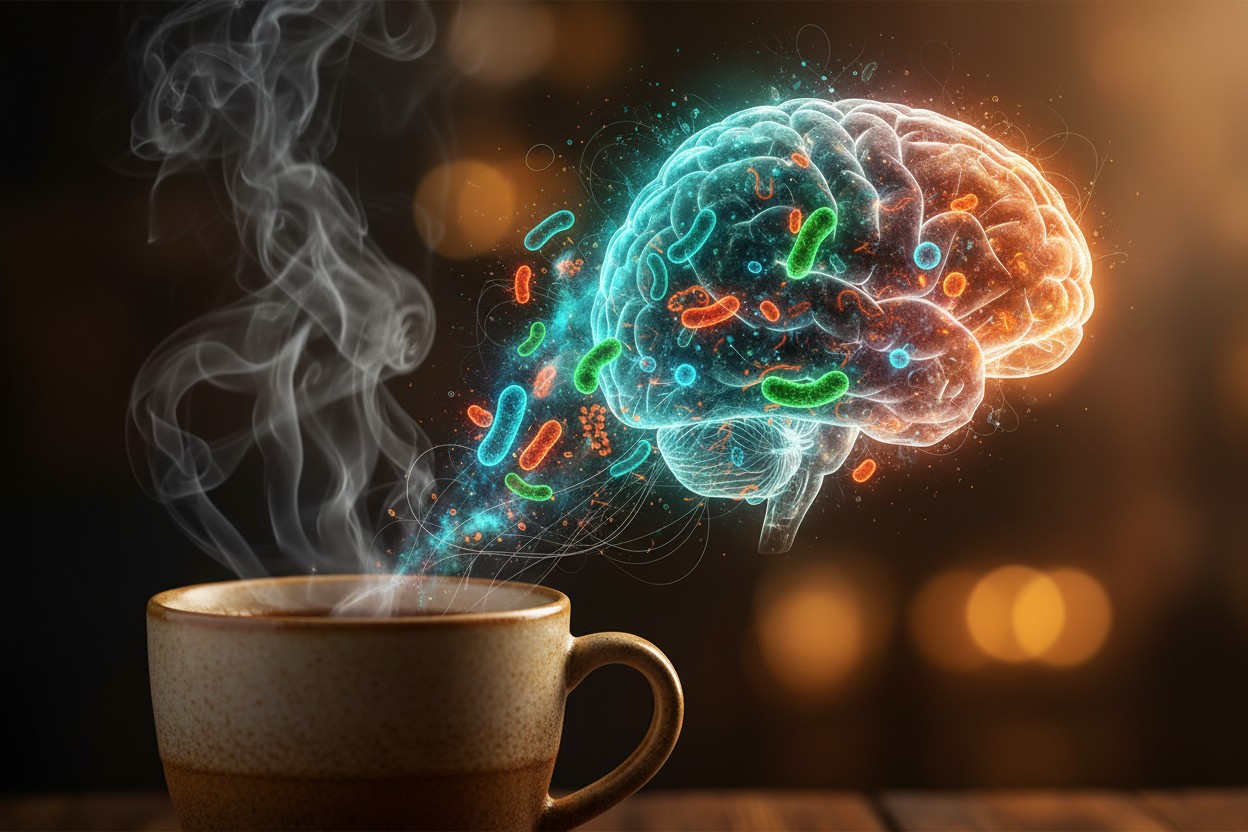
Research published in Nature Communications on May 3, 2026, by APC Microbiome Ireland at University College Cork found that both caffeinated and decaffeinated coffee reshape the gut microbiome in ways linked to improved mood and reduced stress, according to the study. The findings, supported by the Institute for Scientific Information on Coffee, indicate that coffee acts through multiple pathways beyond caffeine, including polyphenols and other compounds. [1] [2]
Lead researcher Dr. John Cryan, principal investigator at APC Microbiome Ireland, noted that the findings suggest coffee's benefits extend beyond caffeine. According to the study, changes in gut microbes were associated with better mood and lower stress, while decaffeinated coffee was linked to improvements in learning and memory and caffeinated coffee to reduced anxiety and better attention. [1]
Study Design and Methods
The study compared 31 regular coffee drinkers, defined as those who typically consume three to five cups per day, with 31 non-coffee drinkers, according to the report. Participants completed psychological assessments, tracked their diet and caffeine intake, and provided stool and urine samples so scientists could analyze changes in gut bacteria and emotional state. [2] During the first phase, coffee drinkers abstained from coffee for two weeks. During this period, researchers observed shifts in metabolites produced by gut microbes in regular coffee drinkers, setting them apart from non-drinkers. After the abstinence phase, coffee was gradually reintroduced without participants knowing whether they were drinking caffeinated or decaffeinated coffee. Half received decaf, while the others consumed regular coffee. [2]Findings on Gut Bacteria Changes
After the two-week abstinence period, metabolite profiles of gut microbes in coffee drinkers had shifted, distinguishing them from non-drinkers, according to the study. Specific bacteria such as Eggerthella sp., Cryptobacterium curtum, and Firmicutes were elevated in coffee drinkers, suggesting roles in acid production in the digestive system and bile acid synthesis. [2] [3] Researchers noted that Firmicutes have been previously linked to positive emotions in females, though no causal relationship was established. Dr. Cryan explained that “coffee may modify what microbes do collectively, and what metabolites they use.” [2] Earlier research, including a 2021 study on coffee drinkers and anti-inflammatory gut bacteria, found similar associations between coffee consumption and beneficial gut microbe changes. [3]Decaf vs. Caffeinated
Only decaffeinated coffee consumption was associated with improvements in learning and memory, researchers reported. This finding suggests that compounds other than caffeine, such as polyphenols, may drive certain cognitive benefits. [1] [2] Caffeinated coffee was linked to reduced anxiety, better attention and alertness, and lower risk of inflammation, according to the study. These differential effects indicate that both caffeinated and decaffeinated coffee can influence health in distinct but complementary ways, as Professor Cryan stated. [1] The results align with broader research on diet and mental health, which shows that food choices can influence mood and cognition. [4]Expert Commentary and Implications
Corresponding author Professor John Cryan said: “Coffee is more than just caffeine—it's a complex dietary factor that interacts with our gut microbes, our metabolism, and even our emotional well-being.” He added that the findings suggest coffee, whether caffeinated or decaf, may influence health in distinct but complementary ways. [1] Certified integrative nutritionist Coco Pierrel, not involved in the research, stated that the study confirms what gut health specialists have seen in clinical practice: that coffee is a functional beverage. [1] The study was supported by the Institute for Scientific Information on Coffee. Researchers recommended further investigation into long-term microbiome effects. These findings contribute to a growing body of evidence connecting diet and mental health, as discussed in literature on the gut-brain axis. [5] [6] Professor Cryan noted that “the microbiome and neurological responses to coffee” merit further exploration for their potential long-term benefits. [2]References
- Study: Both Caffeinated and Decaffeinated Coffee Linked to Mood Improvement and Stress Reduction via Gut-Brain Axis - NaturalNews.com. May 5, 2026.
- Study: Coffee Consumption Linked to Changes in Gut Microbiome, Reduced Stress and Depression - NaturalNews.com. May 3, 2026.
- Study: Coffee drinkers have higher levels of anti-inflammatory gut bacteria - NaturalNews.com. October 11, 2021.
- Controlled Trial Study Shows Healthy Foods Reduce Depression - Mercola.com. November 14, 2019.
- This Is Your Brain on Food: An Indispensable Guide to the Surprising Foods that Fight Depression, Anxiety, OCD, ADHD, and More - Uma Naidoo.
- The Better Brain Solution: How to Start Now At Any Age - Dr. Steven Masley.
Mastodon
Parler
Gab
Copy
Tagged Under:
superfoods health benefits heart disease mental health research natural health coffee natural cures food science polyphenols mood mind remedies caffeine food cures stress reduction mind body science food is medicine goodscience goodhealth goodmedicine goodfood health science decaf
You Might Also Like

These Four Nutrients May Help Protect Against Age-Related Muscle and Bone Loss
By Coco Somers // Share

Ditch the sugar and dyes: Try these FIVE all-natural drinks for a natural electrolyte boost
By Lance D Johnson // Share

Daily Avocado Consumption Linked to Improved Sleep, Cholesterol and Diet Quality, Study Finds
By Coco Somers // Share
Report: Six Low-Effort Food Habits That Can Upgrade Nutrition, According to Dietitian
By Coco Somers // Share

Why your relaxation routine needs a PREBIOTIC and ANTIOXIDANT boost
By HRS Editors // Share
Urolithins from Pomegranates, Berries and Walnuts Offer Neuroprotective Benefits, Review Finds
By Coco Somers // Share
Recent News






Popular This Week