 Parler
 Gab
Gab Copy
Copy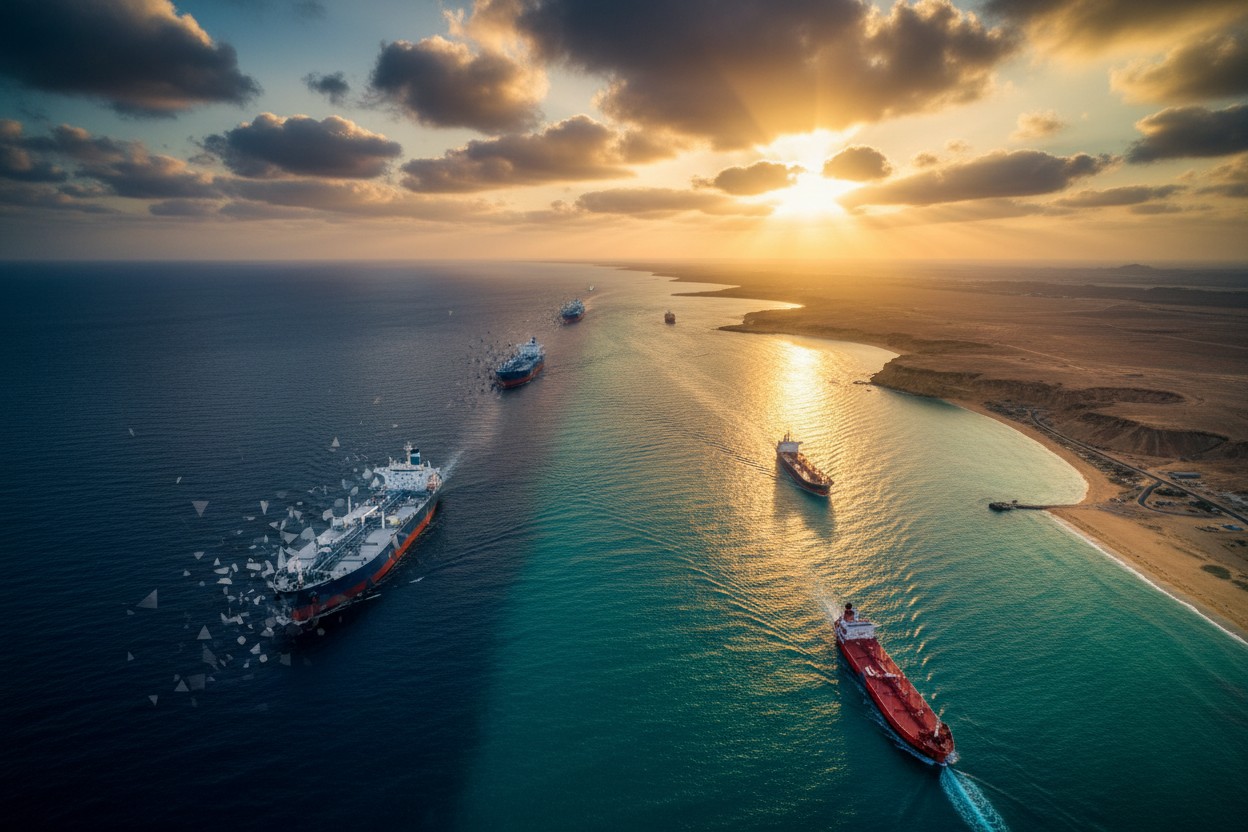
- Iran has offered to reopen the Strait of Hormuz within about a week if the U.S. lifts its economic blockade.
- The proposal, submitted by Foreign Minister Araghchi, builds on the collapsed June memorandum rather than introducing new demands.
- President Pezeshkian says Tehran wants a deal before the November 3 midterms, contradicting Trump's claim that Iran is stalling.
- The White House says it holds the stronger hand, citing crippling sanctions and a blockade that has left Iran's economy collapsing.
- Neither side wants to surrender its leverage first, leaving oil prices near $100 a barrel and U.S. diesel at record highs.
Iran challenges Trump's claim of stalling tactics
President Trump told the UN on Tuesday that Iran was intentionally waiting to see how Republicans perform in the November 3 midterm election before reaching any agreement, predicting Tehran would make a deal "right after" the vote. Pezeshkian pushed back directly during an interview with Fox News, stating, "We don't want it to get to the midterm elections. We wish Americans to return to the MOU before the midterms." The MOU refers to a memorandum of understanding reached in June that collapsed within weeks after Iranian attacks on shipping resumed and the U.S. reinstated its blockade. Iranian officials characterized the new offer as a continuation of that June framework, not a fresh set of demands. Pezeshkian told the UN chamber his country remains prepared for "dialogue and diplomacy" but will not negotiate under threats of force and "will never bow our head or bend the knee."Phased arrangement seeks to resolve blockade and reopening
The proposal envisions a staged approach to ending the nearly seven-month conflict, with the two sides first tackling the blockade and the closure of Hormuz before broader nuclear talks resume. Tehran's offer would trade access through the waterway for an end to the blockade, loosened restrictions on its oil exports, and the release of some of its frozen assets abroad. Tehran is also seeking an end to Israeli combat operations in Lebanon.White House says it holds the stronger hand
The administration has shown little urgency to accept the offer. A White House official said Washington remains in a "very strong position," citing sanctions and a blockade that have left Iran's economy "collapsing" and the country "completely broke." The official added that Trump is prepared to let that economic pressure keep building rather than rush into an agreement. Former U.S. negotiator Dennis Ross put the odds of a pre-election deal at just 30%, though he noted the blockade "is what's really squeezing the Iranians. It's strangling them."Neither side wants to blink first on leverage
Washington's leverage is economic; Tehran's is geographic — control of a chokepoint through which roughly one-fifth of global oil and gas shipments typically pass. Neither government appears willing to give up that advantage without getting something concrete back, and Iran has previously sought fees from vessels using the strait, a demand Gulf states have rejected. For Americans, the standoff is showing up at the pump. The closure has helped push oil above $100 a barrel and diesel prices to historic highs in a reminder that Washington's entanglements abroad, whether in the Gulf or in Ukraine, rarely stay abroad for long. A deal that reopens Hormuz without dragging the U.S. deeper into another open-ended Middle East conflict would be a rare win for the region and for the wallets of ordinary Americans. Sources for this article include: RT.com USNews.com BBC.com Reuters.com
Farmers Report “Survival Mode” as Diesel Prices Rise Amid U.S.-Iran Conflict
By Garrison Vance // Share

China Obtains F-35 Components After Shipping Diversion, Bloomberg Reports
By Douglas Harrington // Share

Xi: China and U.S. Have Responsibility to Keep AI Under Human Control
By Chase Codewell // Share
The great turnaround: How healthy habits are reversing the teen mental health crisis
By Willow Tohi // Share
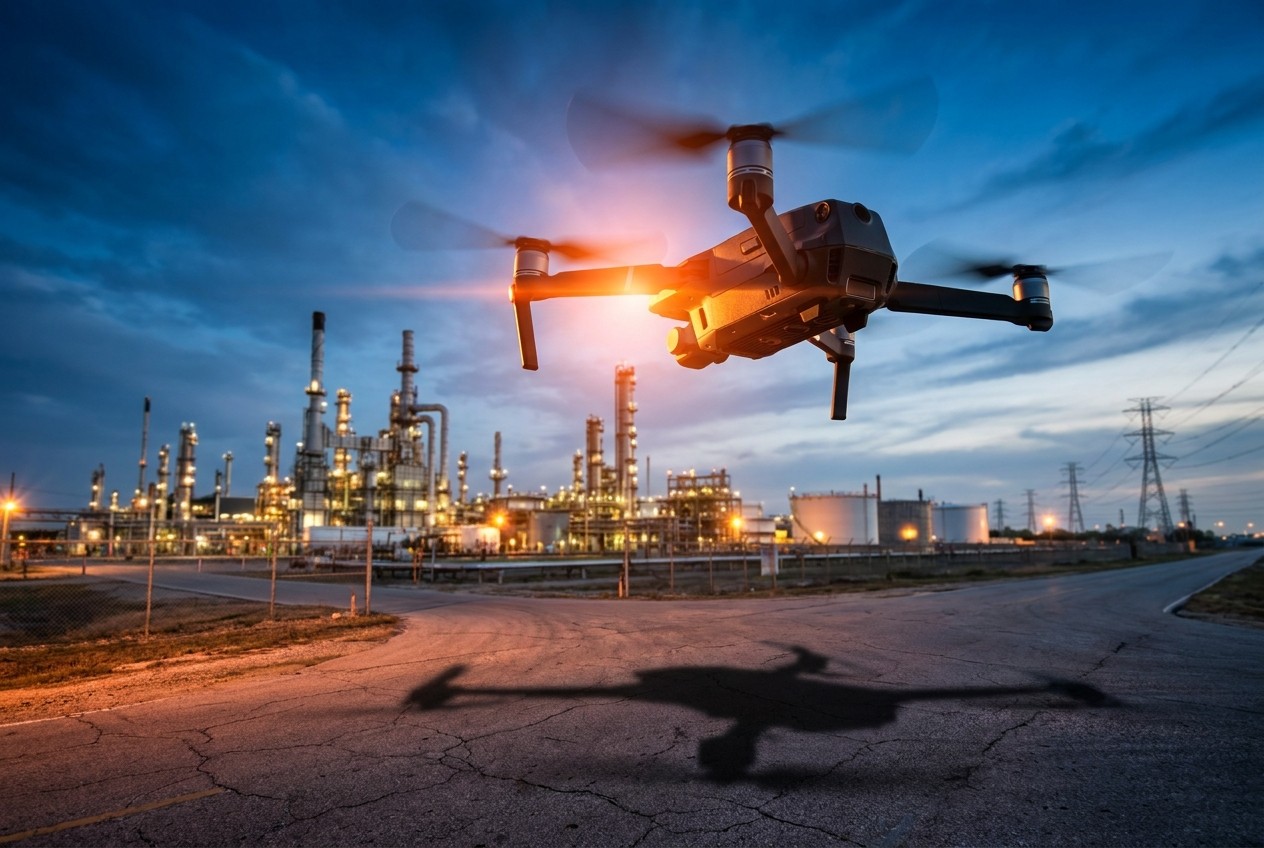
The Rising Drone Threat: Why Our Critical Infrastructure Has Become Dangerously Exposed
By Mike Adams // Share
First known government hack by AI raises new alarms over Big Tech’s self-policing
By Cassie B. // Share

Retardageddon: Why the Collapse of Reason Is the End of the World as We Know It
By healthranger // Share
The Rising Drone Threat: Why Our Critical Infrastructure Has Become Dangerously Exposed
By healthranger // Share

Food Resiliency Through Permaculture: Why We Must Become Self-Reliant to Thrive
By healthranger // Share
Iran offers Trump a pre-election deal to reopen Strait of Hormuz
By isabelle // Share

Justice Department Warns AI Critics Could Face Prosecution Under Foreign Agent Rules
By chasecodewell // Share
China Obtains F-35 Components After Shipping Diversion, Bloomberg Reports
By douglasharrington // Share